
P1_RC_GGL: ছায়াপথগত গতিবিদ্যা ও দুর্বল লেন্সিংয়ের কঠোর ক্লোজার পরীক্ষা (Rotation Curves + GGL)
EFT গড়-মাধ্যাকর্ষণ কাঠামো বনাম শীতল অন্ধকার পদার্থের (DM) ন্যূনতম NFW বেসলাইন
মূল মূল্যায়ন প্রতিবেদনটি দেখুন:
1. ChatGPT: https://chatgpt.com/share/6a00cd62-6e34-83eb-b165-6ec09e3519cc
2. Gemini: https://gemini.google.com/share/773ec96d75a0
3. Grok: https://grok.com/share/bGVnYWN5LWNvcHk_c0b4fa65-0e86-4adb-9b58-5617d616dc04
4. Qwen: https://chat.qwen.ai/s/22ab9336-671f-420a-a7fa-43e24774bb2a?fev=0.2.46
5. DeepSeek: https://chat.deepseek.com/share/tj6k7hb5owtoldg2bm
0 নির্বাহী সারসংক্ষেপ
এই প্রতিবেদনটি Zenodo-তে সংরক্ষিত প্রকাশনা-মানের একটি পূর্ণাঙ্গ আর্কাইভ সংস্করণ। এতে তথ্য, মডেল লেজার, ন্যায্য তুলনা, ক্লোজার পরীক্ষা এবং পুনরুৎপাদনযোগ্য উপকরণকে একত্রে যুক্ত করে একটি নিরীক্ষাযোগ্য শৃঙ্খল দেওয়া হয়েছে। পরিশিষ্ট B (P1A) দৃঢ়তা-সংক্রান্ত সম্পূরক হিসেবে কাজ করে। সেখানে “আরও মানক DM বেসলাইন + একটি গুরুত্বপূর্ণ লেন্সিং সিস্টেম্যাটিক” দিয়ে চাপ-পরীক্ষা করা হয়েছে, যাতে আরও বাস্তবসম্মত DM মডেলিং ও লেন্সিং-সিস্টেম্যাটিক ব্যবস্থাপনার প্রতি মূল সিদ্ধান্তগুলোর সংবেদনশীলতা পরীক্ষা করা যায়।
মূল সিদ্ধান্ত (সরাসরি উদ্ধৃতিযোগ্য চারটি বক্তব্য; ধারা 2.4 দেখুন):
(1) ঘূর্ণন-বক্ররেখা (RC) ফিটিংয়ে, সব kernel/prior সমন্বয়ের অধীনে EFT পরিবার DM_RAZOR-কে উল্লেখযোগ্যভাবে অতিক্রম করে; একটি সাধারণ উন্নতি ΔlogL_RC ≈ 10^3 (টেবিল S1a দেখুন)।
(2) RC→GGL ক্লোজার পরীক্ষায় EFT আরও শক্তিশালী cross-probe স্থানান্তরযোগ্যতা দেখায়: ক্লোজার শক্তি ΔlogL_closure (True−Perm) DM_RAZOR-এর তুলনায় উল্লেখযোগ্যভাবে বেশি, এবং covariance shrinkage, R_min ও σ_int স্ক্যানে এই পার্থক্য দৃঢ় থাকে (Fig. S3 ও Table S1b দেখুন)।
(3) যৌথ ফিটে (RC+GGL), EFT স্থিতিশীল সুবিধা ধরে রাখে; shared mapping ভেঙে দেওয়া negative control-এ এই সুবিধা ভেঙে পড়ে, যা সমর্থন করে যে “mean-gravity effect” আকস্মিক ফিট নয়, বরং shared mapping থেকেই আসে (Fig. S4 দেখুন)।
(4) মাত্রা উল্লেখযোগ্যভাবে না বাড়িয়েই, Appendix B (P1A) আরও মানক DM baseline modules এবং একটি গুরুত্বপূর্ণ lensing-systematics nuisance দিয়ে DM পক্ষকে চাপ-পরীক্ষা করে। এই উন্নতিগুলো EFT-এর closure advantage দূর করে না (Table B1 ও Fig. B1 দেখুন)।
তথ্য ও কোডের প্রাপ্যতা: প্রতিবেদন Concept DOI 10.5281/zenodo.18526334; পূর্ণ পুনরুৎপাদন প্যাকেজ Concept DOI 10.5281/zenodo.18526286। Appendix B (P1A)-এর সঙ্গে সংশ্লিষ্ট ট্যাগগুলো হলো run_tag=20260213_151233, closure_tag=20260213_161731, এবং joint_tag=20260213_195428।
1 সারসংক্ষেপ
আমরা একই তথ্য ও একই পরিসংখ্যানগত প্রোটোকলের অধীনে দুটি তাত্ত্বিক কাঠামোর পুনরুৎপাদনযোগ্য পরিমাণগত তুলনা করেছি: শক্তি তন্তু তত্ত্ব (Energy Filament Theory, EFT; effective field theory-এর প্রচলিত সংক্ষিপ্তরূপ থেকে পৃথক) প্রস্তাবিত “গড়-মাধ্যাকর্ষণ সংশোধন” মডেল, এবং শীতল অন্ধকার পদার্থের (DM) NFW halo baseline model (DM_RAZOR)। DM_RAZOR-কে ইচ্ছাকৃতভাবে একটি “ন্যূনতম DM বেসলাইন” হিসেবে বেছে নেওয়া হয়েছে: নির্দিষ্ট c–M সম্পর্কসহ একটি NFW halo (halo-to-halo scatter ছাড়া), যা নিরীক্ষাযোগ্য ও পুনরুৎপাদনযোগ্য control হিসেবে কাজ করে। এটিও জোর দিয়ে বলা দরকার যে এই প্রবন্ধে EFT-কে একীভূত পরিসংখ্যানগত প্রোটোকলের অধীনে পরীক্ষার জন্য একটি phenomenological, MOND-like effective-field/effective-response parameterization হিসেবে ব্যবহৃত হয়েছে; এখানে তার microscopic first principles উদ্ভূত করা হয়নি।
তথ্যে রয়েছে SPARC rotation curves (RC) থেকে একরূপে প্রিপ্রসেস ও বিনকৃত 2,295টি velocity data point (104টি galaxy, 20টি RC bin), এবং KiDS-1000 galaxy–galaxy weak-lensing (GGL) excess surface density ΔΣ(R) (4টি stellar-mass bin × প্রতি bin-এ 15টি R point, মোট 60 point, full covariance ব্যবহৃত)।
আমরা ধারাবাহিকভাবে RC-only inference, RC→GGL closure test, GGL-only inference এবং joint RC+GGL inference সম্পাদন করেছি, এবং প্রতিটি উদ্ধৃত সংখ্যামান traceable কিনা তা consistency audit দিয়ে নিশ্চিত করেছি। কঠোর parameter ledger ও shared-mapping constraint-এর অধীনে (DM: 20 log M200_bin parameter; EFT: 20 log V0_bin parameter + 1 global log ℓ), joint fit-এ EFT family DM_RAZOR-কে উল্লেখযোগ্যভাবে অতিক্রম করে: DM_RAZOR-এর তুলনায় ΔlogL_total = 1155–1337। আরও গুরুত্বপূর্ণভাবে, closure test দেখায় যে RC posterior-এর GGL-এর জন্য nontrivial predictive power আছে: EFT-এর closure strength ΔlogL_closure = 172–281, DM_RAZOR-এর 127-এর চেয়ে বেশি। যখন RC-bin→GGL-bin grouping এলোমেলোভাবে shuffle করা হয়, closure signal 6–23-এ নেমে আসে, যা নিশ্চিত করে যে signal পরিসংখ্যানগত দুর্ঘটনা বা implementation artifact নয়। σ_int, R_min এবং covariance shrinkage-এর systematic scan জুড়ে EFT-এর relative advantage ধনাত্মক ও magnitude-এ স্থিতিশীল থাকে। “DM baseline খুব দুর্বল” বা “systematics-কে physics ভেবে নেওয়া হচ্ছে” ধরনের সাধারণ উদ্বেগের উত্তর দিতে Appendix B (P1A) আরও মানক কিন্তু এখনও low-dimensional এবং auditable DM-baseline stress test দেয়, যার মধ্যে hierarchical c–M scatter + prior, one-parameter core proxy, lensing m এবং combined DM_STD model রয়েছে। একই closure protocol-এর অধীনে এসব enhancement EFT-এর closure advantage দূর করে না (Table B1/Fig. B1 দেখুন)।
কীওয়ার্ড: rotation curves; galaxy–galaxy weak lensing; closure test; EFT; cold dark matter; Bayesian inference
2 ভূমিকা ও ফলাফলের সারসংক্ষেপ
Rotation curves (RC) এবং galaxy–galaxy weak lensing (GGL) দুটি পরিপূরক gravitational probe: RC disk plane-এ dynamical potential ও radial acceleration relation (RAR) সীমাবদ্ধ করে, আর GGL projected mass distribution এবং halo-scale gravitational response মাপে। কোনো candidate theory-র জন্য মূল প্রশ্ন হলো সেটি দুটি dataset আলাদাভাবে fit করতে পারে কিনা নয়, বরং একই cross-data mapping ও shared constraints-এর অধীনে সেগুলোকে consistency সহকারে ব্যাখ্যা করতে পারে কিনা।
তাই এই প্রবন্ধে “closure test”-কে core statistical protocol হিসেবে নেওয়া হয়েছে: প্রথমে RC-only posterior দিয়ে GGL forward-predict করা হয়; তারপর সেটিকে একটি negative control-এর সঙ্গে তুলনা করা হয়, যেখানে RC-bin→GGL-bin mapping permute/shuffle করা হয়েছে। এতে cross-data predictive transferability মূল্যায়ন করা যায় এবং implementation bias বা accidental fitting থেকে জন্ম নেওয়া false signal বাদ দেওয়া যায়।
তাত্ত্বিক অবস্থান ও পরিসর: এই প্রবন্ধ EFT (Energy Filament Theory)-এর microscopic first-principles derivation বা relativistically complete formulation উপস্থাপন করার চেষ্টা করে না। বরং আমরা EFT-কে একটি low-dimensional, MOND-like effective-field/effective-response parameterization হিসেবে বিবেচনা করি (kernel f(x) এবং global scale ℓ দ্বারা বর্ণিত), এবং কঠোর parameter ledger-এর অধীনে RC→GGL closure test দিয়ে তার cross-data consistency ও transfer predictive power পরীক্ষা করি।
গবেষণা কর্মসূচি ও পরিসর বিবৃতি: এই প্রবন্ধ একটি চলমান P-series observational retrieval program-এর অংশ। বিদ্যমান galaxy-scale data-তে আমরা দুই ধরনের সম্ভাব্য effective background contribution খুঁজি: (i) coarse-grained mean gravitational response দ্বারা বর্ণনাযোগ্য “mean gravity floor”, এবং (ii) microscopic process-এর fluctuation-সংশ্লিষ্ট “stochastic/noise floor”। এই প্রবন্ধে (P1) আমরা শুধু প্রথমটির উপর মনোযোগ দিই: কোনো microscopic production mechanism hypothesis না এনে, RC→GGL closure test দিয়ে mean gravity floor-এর observational indication পুনরুদ্ধার করা এবং unified control protocol-এর অধীনে auditable DM baseline-এর সঙ্গে তুলনা করা। একটি heuristic physical picture হিসেবে, short-lived degrees of freedom থাকলে তাদের decay/annihilation rest mass-কে অন্য degrees of freedom বহন করা energy-momentum-এ রূপান্তর করতে পারে, যা effective level-এ “mean contribution + fluctuation contribution” decomposition-এর সঙ্গে স্বাভাবিকভাবে মেলে; তবে এই প্রবন্ধ সেই microscopic picture-কে পরিমাণগতভাবে model করে না।
অতিরিক্ত ব্যাখ্যা এড়াতে, এই প্রবন্ধের পরিসর-সীমা হলো:
• এই প্রবন্ধ যা করে: strict parameter-ledger ও shared-mapping constraints-এর অধীনে closure testing দিয়ে cross-data predictive transferability মাপে এবং EFT mean-gravity response ও DM baseline-এর মধ্যে reproducible comparison করে।
• এই প্রবন্ধ যা করে না: microscopic production mechanism, abundance/lifetime, অথবা cosmological constraints আলোচনা করে না; “noise floor”-এর সঙ্গে সংশ্লিষ্ট stochastic term model করে না।
• এই প্রবন্ধ যা দাবি করে না: অন্ধকার পদার্থকে উচ্ছেদ করাই এর উদ্দেশ্য নয়; P1 “floor” আছে কিনা সে বিষয়ে চূড়ান্ত verdict দেয় না, বরং stage-level evidence রিপোর্ট করে—এখানে নির্বাচিত robust measurement domain-এ data mean gravitational response-সহ model-কে বেশি সমর্থন করে।
একই সঙ্গে, আমরা পরিষ্কার করছি যে DM_RAZOR কেবল একটি minimal ও auditable NFW baseline (fixed c–M এবং no scatter; adiabatic contraction, feedback core, nonsphericity বা environmental term নেই)। তাই মূল পাঠ্যের প্রধান সিদ্ধান্ত কঠোরভাবে এই বক্তব্যে সীমিত: minimal baseline এবং strict parameter-ledger/mapping constraints-এর অধীনে EFT stronger cross-data consistency দেখায়। আরও standard ΛCDM baseline এবং গুরুত্বপূর্ণ lensing-systematics modeling সিদ্ধান্তকে মূলত বদলে দেবে কি না—এই সাধারণ প্রশ্নের উত্তর দিতে, আমরা আরও standard কিন্তু এখনও low-dimensional ও auditable DM enhancement এবং lensing-side nuisance-কে Appendix B-তে (P1A: DM-baseline standardization stress test) সংগ্রহ করেছি, মূল পাঠ্যের একই shared mapping ও closure-test protocol অপরিবর্তিত রেখে (Table B1/Fig. B1 দেখুন)।
2.1 Tab S1a–S1b: মূল সূচকসমূহের সারাংশ (Strict)
Table S1a joint fit (RC+GGL)-এর main comparison metrics রিপোর্ট করে: logL, ΔlogL, AICc এবং BIC। Table S1b closure-test এবং robustness-scan metrics রিপোর্ট করে: closure, shuffle negative control, এবং σ_int / R_min / cov-shrink scan range। সব মান strict master summary table Tab_Z1_master_summary থেকে এসেছে এবং release archive package-এ item by item trace করা যায়।
Table S1a | প্রধান joint-fit comparison metrics (RC+GGL, Strict)।
মডেল (workspace) | W kernel | k | Joint logL_total (best) | DM-এর তুলনায় ΔlogL_total | AICc | BIC |
DM_RAZOR | none | 20 | -16927.763 | 0.0 | 33895.885 | 34010.811 |
EFT_BIN | none | 21 | -15590.552 | 1337.21 | 31223.501 | 31344.155 |
EFT_WEXP | exponential | 21 | -15668.83 | 1258.932 | 31380.057 | 31500.711 |
EFT_WYUK | yukawa | 21 | -15772.936 | 1154.827 | 31588.268 | 31708.922 |
EFT_WPOW | powerlaw_tail | 21 | -15633.321 | 1294.442 | 31309.038 | 31429.692 |
Table S1b | Closure ও robustness metrics (Strict)।
মডেল (workspace) | Closure ΔlogL (true-perm) | shuffle-এর পরে negative-control ΔlogL | σ_int scan ΔlogL range | R_min scan ΔlogL range | cov-shrink scan ΔlogL range |
DM_RAZOR | 126.678 | 22.725 | — | — | — |
EFT_BIN | 231.611 | 14.984 | 459–1548 | 1243–1289 | 1337–1351 |
EFT_WEXP | 171.977 | 6.04 | 408–1471 | 1169–1207 | 1259–1277 |
EFT_WYUK | 179.808 | 14.688 | 380–1341 | 1065–1099 | 1155–1166 |
EFT_WPOW | 280.513 | 6.672 | 457–1500 | 1203–1247 | 1294–1308 |
2.2 Fig. S3: Closure Strength (RC-only → Predicted GGL)
Closure strength সংজ্ঞায়িত করা হয়েছে ΔlogL_closure ≡ ⟨logL_true⟩ − ⟨logL_perm⟩ হিসেবে: RC-only posterior sample-এ GGL forward-predict করা হয় এবং সেটিকে এমন negative control-এর সঙ্গে তুলনা করা হয় যেখানে RC-bin→GGL-bin mapping permute করা হয়েছে।
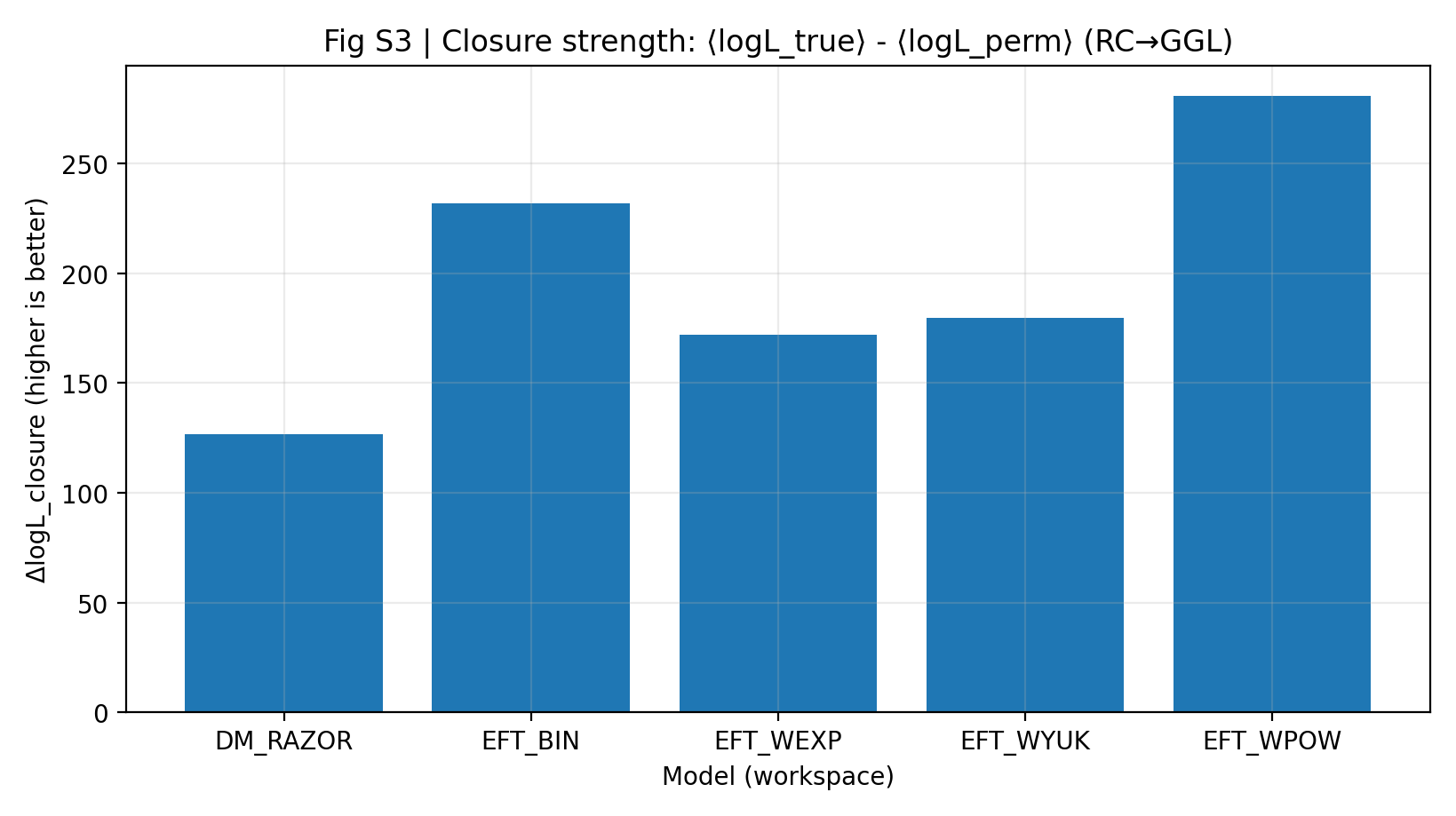
Fig. S3 | Closure strength (যত বেশি, তত ভালো): RC-only → GGL prediction-এর mean log-likelihood advantage।
2.3 Fig. S4: প্রধান Joint-Fit Comparison (RC+GGL)
Joint-fit advantage সংজ্ঞায়িত করা হয়েছে ΔlogL_total ≡ logL_total(model) − logL_total(DM_RAZOR) হিসেবে। একই data, একই mapping এবং প্রায় একই parameter scale-এর অধীনে EFT family উল্লেখযোগ্যভাবে বেশি joint log-likelihood অর্জন করে।
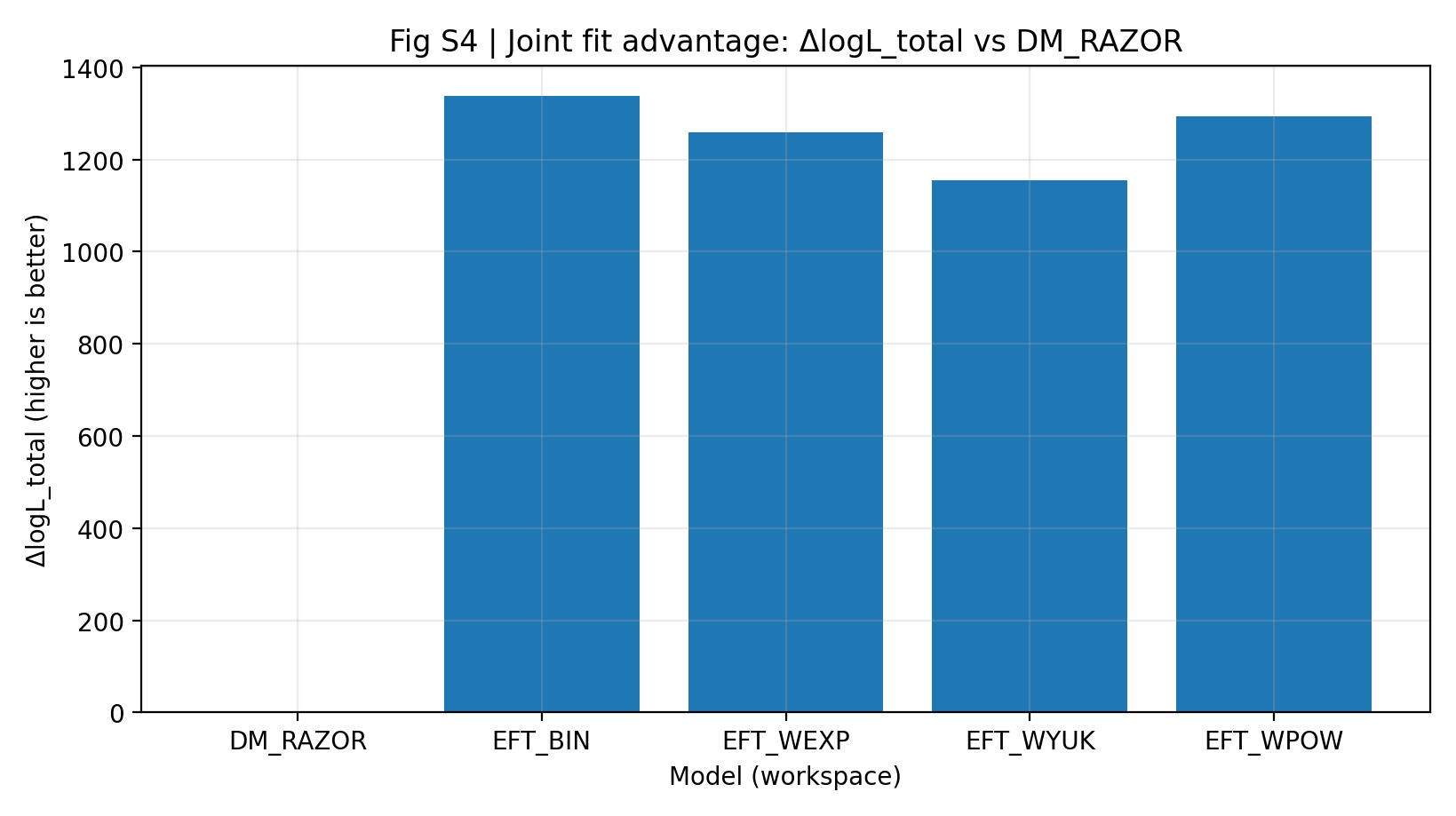
Fig. S4 | Joint-fit advantage (যত বেশি, তত ভালো): DM_RAZOR-এর তুলনায় RC+GGL-এর best logL_total।
2.4 চারটি সিদ্ধান্ত (সরাসরি উদ্ধৃতিযোগ্য)
(1) SPARC rotation curves এবং KiDS-1000 weak lensing-এর unified joint analysis-এ, strict control protocol-এর অধীনে EFT mean-gravity framework model পদ্ধতিগতভাবে DM_RAZOR-কে অতিক্রম করে: DM_RAZOR-এর তুলনায় ΔlogL_total = 1155–1337।
(2) RC→GGL closure test EFT-এর জন্য শক্তিশালী predictive consistency দেখায়: ΔlogL_closure = 172–281, যেখানে DM_RAZOR-এর জন্য 127। RC-bin→GGL-bin grouping random shuffle করলে closure signal 6–23-এ collapse করে, যা দেখায় signal accidental fitting নয়, সঠিক cross-data mapping-এর উপর নির্ভরশীল।
(3) σ_int, R_min এবং covariance shrinkage-এর systematic scan “EFT outperforms DM_RAZOR”-এর sign বা scale বদলায় না; ফলে সিদ্ধান্তটি common systematic perturbation-এর বিরুদ্ধে robust।
(4) একই closure protocol-এর অধীনে Appendix B (P1A) “standardized and auditable” উপায়ে DM baseline শক্তিশালী করে: তিনটি one-parameter enhancement (SCAT/AC/FB) ধরে রাখে এবং hierarchical c–M scatter + prior, one-parameter core proxy, lensing-side shear-calibration m (এবং তাদের combined DM_STD model) যোগ করে। ফলাফল দেখায়, শুধু feedback/core branch closure strength-এ ছোট net improvement আনে (122.21→129.45, ΔΔlogL_closure≈+7.25); অন্য enhancementগুলো closure strength-এ তুচ্ছ বা ঋণাত্মক অবদান রাখে। তাই প্রধান সিদ্ধান্ত DM_RAZOR অতিরিক্ত দুর্বল baseline হওয়ার উপর নির্ভর করে না।
3 তথ্য ও প্রিপ্রসেসিং
এই গবেষণায় দুটি public dataset ব্যবহৃত হয়েছে। engineering workflow-এর মধ্যে downloading, checksum verification (sha256) এবং preprocessing traceable script দিয়ে সম্পন্ন করা হয়েছে। ন্যায্য cross-model comparison নিশ্চিত করতে, সব workspace (EFT_BIN / EFT_WEXP / EFT_WYUK / EFT_WPOW / DM_RAZOR) ঠিক একই data product ও bin mapping share করে।
3.1 Rotation Curves (RC, SPARC)
RC data SPARC database-এর Rotmod_LTG files থেকে এসেছে (175টি rotmod file)। preprocessing-এর পর modeling sample-এ রয়েছে 104টি galaxy এবং 2,295টি (r, V_obs) data point, stellar mass ও সংশ্লিষ্ট মানদণ্ড অনুযায়ী 20টি RC bin-এ বিভক্ত। প্রতিটি data point-এ radius r (kpc), observed velocity V_obs (km/s), observational error σ_obs, এবং gas/disk/bulge component velocity (V_gas, V_disk, V_bul) রয়েছে।
3.2 Weak Lensing (GGL, KiDS-1000 / Brouwer+2021)
GGL data হিসেবে Brouwer et al. (2021)-এর KiDS-1000 ভিত্তিক Fig. 3 থেকে excess surface density ΔΣ(R) ব্যবহৃত হয়েছে (4টি stellar-mass bin, প্রতি bin-এ 15টি R point), প্রদত্ত full covariance সহ। engineering workflow-এ original long-form covariance পুনর্গঠন করে প্রতিটি bin-এর জন্য 15×15 matrix বানানো হয়েছে, এবং Stage-B audit dimension ও numerical reasonableness যাচাই করেছে।
3.3 RC-bin → GGL-bin Mapping এবং মোট sample size
4টি GGL mass bin এবং 20টি RC bin একটি fixed mapping দিয়ে যুক্ত: প্রতিটি GGL bin 5টি RC bin-এর সঙ্গে মিলে, এবং RC-bin contribution galaxy count দিয়ে weighted হয়। এই mapping সব model-এ fixed রাখা হয়েছে এবং closure testing ও joint fitting-এ fair comparison-এর core constraint। final joint dataset-এ n_total = 2355 point (RC=2295, GGL=60)।
4 মডেল ও পরিসংখ্যানগত পদ্ধতি
4.1 EFT ও DM-এর ন্যূনতম গাণিতিক নির্দিষ্টকরণ (Auditable/Testable)
এই অংশটি implementation-এর সঙ্গে সরাসরি map করা যায় এমন minimal mathematical specification দেয়।
(a) Rotation-curve (RC) model
প্রতিটি RC data point (r, V_obs, σ_obs)-এর জন্য আমরা component superposition ব্যবহার করি: V_mod²(r) = V_bar²(r) + V_extra²(r)। এখানে V_bar²(r) = V_gas²(r) + Υ_d·V_disk²(r) + Υ_b·V_bul²(r)। এই প্রবন্ধের প্রধান ফলাফলে Υ_d = Υ_b = 0.5 নেওয়া হয়েছে, যা SPARC empirical recommendation-এর সঙ্গে সামঞ্জস্যপূর্ণ এবং অপ্রয়োজনীয় degrees of freedom কমাতে সহায়ক।
(b) EFT mean-gravity correction (EFT)
EFT-এর extra term “mean velocity squared” আকারে parameterize করা হয়েছে: V_extra²(r) = V0_bin² · f(r/ℓ)। এখানে V0_bin প্রতিটি RC bin-এর amplitude parameter (20টি parameter), ℓ একটি global scale (1 parameter), এবং f(x) একটি dimensionless kernel shape function। এই প্রবন্ধে তুলনা করা kernel shape-গুলো (যেগুলো অতিরিক্ত continuous degree of freedom আনে না) হলো:
- none: f(x)=x/(1+x)
- exponential: f(x)=1−exp(−x)
- yukawa: f(x)=1−exp(−x)·(1+0.5x)
- powerlaw_tail: f(x)=1−(1+x)^(−1/2)
- (ঐচ্ছিক control) gaussian: f(x)=erf(x/√2) (main conclusion set-এ অন্তর্ভুক্ত নয়)
ভৌত প্রেরণা (extended): EFT galaxy scale-এ extra gravitational response-কে finite scale-এ আরও microscopic action-এর coarse-graining/scale-averaging থেকে পাওয়া effective response হিসেবে ব্যাখ্যা করে। এই প্রবন্ধে আমরা কোনো নির্দিষ্ট microscopic mechanism অনুমান করি না; বরং unified statistical protocol-এর অধীনে controlled comparison ও testing-এর জন্য minimal ও auditable parameterization ব্যবহার করি।
স্বজ্ঞার জন্য extra term-টি acceleration form-এ লেখা যায়: a_extra(r)=V_extra²(r)/r=(V0_bin²/r)·f(r/ℓ)। যখন r≫ℓ, f→1 এবং V_extra→V0_bin, ফলে outer region-এ approximately flat extra velocity contribution পাওয়া যায়। যখন r≪ℓ এবং f(x)≈x, তখন characteristic acceleration scale a0,bin≈V0_bin²/ℓ প্রবর্তন করা যায় (O(1) kernel-function factor পর্যন্ত), যা inner-to-outer transition scale সম্পর্কে MOND-like intuition দেয়।
এখানে ব্যবহৃত discrete kernel family (none/exponential/yukawa/powerlaw_tail) বিভিন্ন “initial slopes / transition speeds / long-range tails”-এর low-dimensional proxy হিসেবে দেখা যায় (যেমন Yukawa-like screening বনাম longer-tailed response)। এগুলো model space শেষ করে ফেলার জন্য নয়, robustness stress testing-এর জন্য ব্যবহৃত। weak-lensing অংশে আমরা V_avg(r) থেকে effective envelope mass ও density নির্মাণ করি, তারপর projection করে ΔΣ(R) পাই। এই effective density-কে spherical symmetry ও weak-field mapping অনুমানের অধীনে lensing potential-এর effective description হিসেবে বোঝা উচিত (full detail Appendix A-তে সরানো হয়েছে)।
উপরের সব kernel shape x→∞ হলে f(x)→1 পূরণ করে (অর্থাৎ saturation V_extra²→V0²), আর x≪1 হলে linear বা sublinear growth দেয়: উদাহরণস্বরূপ, exponential: f≈x; yukawa: f≈0.5x; powerlaw_tail: f≈0.5x। তাই ছোট radius-এ “initial slope,” transition speed এবং outer tail-এ ভিন্ন kernel shape-এর observable difference থাকে, এবং joint RC+GGL ও closure test দিয়ে সেগুলো আলাদা করা যায়।
weak-lensing ΔΣ(R)-এর EFT prediction V_avg(r) থেকে envelope mass ও density infer করে, তারপর projection integral প্রয়োগ করে পাওয়া হয়: M_enc(r)=r·V_avg²(r)/G, ρ(r)=(1/4πr²)·dM_enc/dr, Σ(R)=2∫_R^∞ ρ(r)·r/√(r²−R²) dr, এবং ΔΣ(R)=Σ̄(<R)−Σ(R)। numerical implementation logarithmic grid ব্যবহার করে এবং exceptional case-এ adaptive refinement করে, যাতে stability ও reproducibility নিশ্চিত থাকে।
(c) DM_RAZOR: NFW cold-dark-matter halo baseline
একই সঙ্গে আমরা পরিষ্কার করছি যে DM_RAZOR কেবল একটি minimal, auditable NFW baseline (fixed c–M এবং no scatter; adiabatic contraction, feedback core, nonsphericity বা environmental term নেই)। “strawman baseline” ঝুঁকি কমাতে এই প্রবন্ধ দাবি করে না যে এসব effect নেই। বরং Appendix B (P1A)-তে এগুলোকে low-dimensional ও auditable stress test হিসেবে অন্তর্ভুক্ত করা হয়েছে, যার মধ্যে c–M scatter-এর hierarchical treatment, core proxy এবং lensing-side shear-calibration nuisance আছে।
4.2 Model Ledger ও Fair Comparison (Shared Parameters = Closure-এর সংজ্ঞা)
main comparison set-এ parameter সংখ্যা হলো: DM_RAZOR k=20; EFT family k=21 (extra parameter হলো global log ℓ)। সব model একই RC data, একই GGL data ও covariance, একই RC-bin→GGL-bin mapping, একই baryonic terms এবং একই unit conversion share করে। উপরন্তু, kernel shape (none / exponential / yukawa / powerlaw_tail) একটি discrete choice এবং কোনো additional continuous parameter আনে না; ফলে “একটি অতিরিক্ত degree of freedom” থেকে advantage পাওয়া ঠেকানো হয়।
4.3 Likelihood, Priors, এবং Sampler
RC likelihood হলো diagonal Gaussian: σ_eff² = σ_obs² + σ_int²। প্রধান ফলাফলে σ_int=5 km/s fixed, এবং Run-5 σ_int scan করে। GGL likelihood প্রতিটি bin-এর full-covariance Gaussian ব্যবহার করে: logL_GGL = Σ_b log 𝒩(ΔΣ_obs^b | ΔΣ_mod^b, C_b)। joint objective হলো logpost(θ)=logprior(θ)+logL_RC(θ)+logL_GGL(θ)। prior মূলত physically feasible boundary encode করে (log ℓ, log V0 এবং log M200-এর interval constraints); free Υ ও σ_int enable হলে weakly informative prior ব্যবহৃত হয় (implementation ও release-package configuration-এ detail দেখুন)।
Sampler adaptive block Metropolis random walk ব্যবহার করে: high dimension-এ acceptance rate বাড়াতে প্রতিটি step parameter space-এর কেবল একটি random sub-block update করে, এবং windowed acceptance rate দিয়ে step size হালকাভাবে adapt করা হয় (target acceptance rate প্রায় 0.25)। প্রধান ফলাফল quick mode ব্যবহার করে (যেমন n_steps=800), এবং প্রতিটি workspace manual ও scripted audit-এর জন্য trace, residual এবং PPC plot output করে।
4.4 Closure Test ও Negative Control (Definition)
closure test (Run-2) পরীক্ষা করে RC-only posterior GGL re-fitting ছাড়া GGL predict করতে পারে কিনা। নির্দিষ্টভাবে, RC-only posterior sample থেকে 4টি GGL bin-এর ΔΣ(R) forward-generate করা হয় এবং full covariance দিয়ে logL_true হিসাব করা হয়; এরপর RC-bin→GGL-bin group mapping random permute করে logL_perm পাওয়া হয়। closure strength সংজ্ঞা: ΔlogL_closure≡⟨logL_true⟩−⟨logL_perm⟩। অতিরিক্তভাবে, Run-10 20টি RC bin-কে 4×5 আকারে random regroup (shuffle) করে closure recompute করে, যাতে closure signal সঠিক mapping-এর উপর কতটা নির্ভর করে তা পরীক্ষা করা যায়।
5 প্রধান ফলাফল ও ব্যাখ্যা
5.1 প্রধান Joint-Fit ফলাফল (RC+GGL)
joint fit থেকে best logL_total এবং relative advantage ΔlogL_total (DM_RAZOR-এর তুলনায়) Table S1a ও Fig. S4-এ দেখানো হয়েছে। main comparison set-এ EFT_BIN-এর joint advantage সর্বাধিক (ΔlogL_total=1337.210), আর অন্যান্য EFT kernel shape-ও উল্লেখযোগ্য advantage ধরে রাখে (1154.827–1294.442)। information criteria (AICc/BIC)-তেও EFT family DM_RAZOR-কে উল্লেখযোগ্যভাবে অতিক্রম করে, যা দেখায় advantage parameter number bias-এর কারণে নয়।
নোট: ΔlogL_total≈1337-এর প্রধান contribution RC term থেকে আসে (joint decomposition-এ ΔlogL_RC≈1065, প্রায় 80%)। এটি বোঝা যায় N=2295 RC data point জুড়ে প্রতি point-এ প্রায় Δχ²≈0.90-এর modest improvement diagonal Gaussian likelihood-এর অধীনে স্বাভাবিকভাবে 10^3 order-এর advantage হিসেবে accumulate করে। একই সময়ে, GGL ও closure test independent cross-dataset constraint দেয়, এবং σ_int, R_min ও cov-shrink stress test-এর অধীনে ranking stable থাকে (Section 6 ও Table S1b দেখুন)।
5.2 Closure Test ফলাফল (RC-only → GGL)
মূল closure-test quantity ΔlogL_closure Table S1b ও Fig. S3-এ রিপোর্ট করা হয়েছে। EFT family-এর closure strength 171.977–280.513, যা DM_RAZOR-এর 126.678-এর চেয়ে বেশি। অর্থাৎ, কোনো additional cross-data degree of freedom অনুমোদন না করেও, RC data থেকে EFT যে posterior sample পায় তা GGL data-র জন্য stronger transferable predictive power রাখে।
negative control closure signal-এর physical relevance আরও সমর্থন করে: RC-bin→GGL-bin grouping random shuffle করলে EFT-এর closure strength 6–15-এ নেমে যায় (kernel অনুযায়ী সামান্য পার্থক্যসহ), অথচ baseline closure strength 172–281 পর্যন্ত। এই “signal collapse” numerical implementation, unit error অথবা improper covariance handling থেকে আসা false advantage বাদ দেয়।
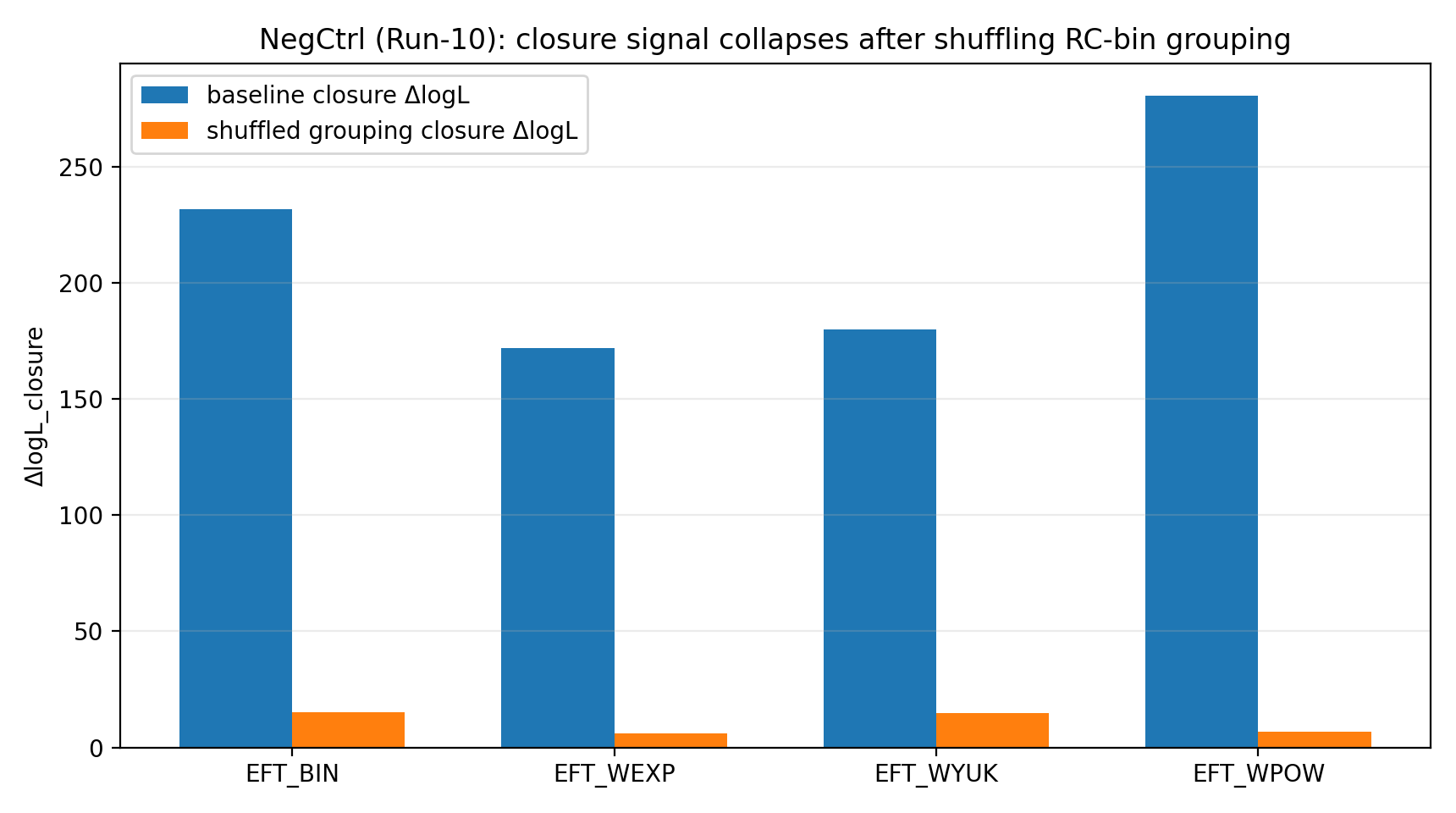
Fig. R1 | Negative control: shuffle grouping-এর পরে closure signal উল্লেখযোগ্যভাবে কমে যায় (Tab_Z1 metrics থেকে plotted)।
5.3 ফলাফলের অর্থ ও সীমা
এই গবেষণার সিদ্ধান্ত হলো: “এই dataset এবং এই protocol-এর অধীনে, EFT mean-gravity correction tested DM_RAZOR baseline-কে অতিক্রম করে।” জোর দিয়ে বলা দরকার যে DM পক্ষ কেবল fixed c(M) relation-সহ minimal NFW baseline ব্যবহার করে; core formation, nonsphericity, environmental term অথবা আরও complex galaxy–halo connection model নেই। তাই এই manuscript সব DM model family বাদ দেওয়ার দাবি করে না। বরং এটি একটি reproducible, closure-test-centered control baseline দেয়, যার মাধ্যমে RC ও GGL একই cross-data parameter ও mapping দিয়ে consistently explain করা যায় কিনা তা মূল্যায়ন করা যায়।
এই common concern-এর উত্তর দিতে আমরা একটি independent extension project, P1A (Appendix B দেখুন), সম্পন্ন করেছি। RC-bin→GGL-bin shared mapping বা audit framework না বদলে এটি “standardized and auditable” ভাবে DM baseline শক্তিশালী করে: তিনটি one-parameter enhancement (SCAT/AC/FB)-এর বাইরে আরও যোগ করে (i) hierarchical c–M scatter + mass–concentration prior (DM_HIER_CMSCAT), (ii) one-parameter baryonic-feedback core proxy (DM_CORE1P), এবং (iii) weak-lensing-side shear-calibration nuisance m (DM_RAZOR_M), এবং combined model DM_STD রিপোর্ট করে; EFT_BIN control reference হিসেবে রাখা হয়েছে।
• DM_RAZOR_SCAT (c–M scatter) — fixed c(M) DM-এর explanatory power পদ্ধতিগতভাবে কমিয়ে দেখায় কিনা তা পরীক্ষা করতে halo-to-halo concentration-scatter parameter σ_logc প্রবর্তন করে;
• DM_RAZOR_AC (Adiabatic Contraction) — “no contraction” ও “standard contraction”-এর মধ্যে continuously interpolate করতে একটি single parameter α_AC ব্যবহার করে, যাতে minimal cost-এ baryon দ্বারা inner halo contraction-এর প্রবণতা ধরা যায়;
• DM_RAZOR_FB (Feedback/core) — core scale (যেমন log r_core) ব্যবহার করে inner-core formation কীভাবে rotation curves suppress করে তা বর্ণনা করে, weak-lensing scale-এ NFW approximation বজায় রেখে।
quantitative P1A scoreboard Appendix B, Table B1 / Fig. B1-এ দেওয়া হয়েছে (Tab_S1_P1A_scoreboard থেকে স্বয়ংক্রিয়ভাবে generated)। closure metric-এ, DM_RAZOR_FB একটি small net improvement দেয় (122.21→129.45, +7.25), অন্য enhancementগুলো closure strength-এ তুচ্ছ বা negative contribution দেয়। joint-fit দিকে, hierarchical c–M scatter prior (DM_HIER_CMSCAT) বা combined model (DM_STD) যোগ করলে joint logL উল্লেখযোগ্যভাবে improve করতে পারে, কিন্তু closure strength improve করে না; ইঙ্গিত করে যে এটি মূলত joint-fit flexibility বাড়ায়, cross-probe transferability নয়। তাই মূল পাঠ্যের core conclusion এভাবে পড়া উচিত: strict shared-mapping ও closure-test constraints-এর অধীনে EFT-এর cross-data consistency advantage DM পক্ষের “অত্যধিক দুর্বল baseline” বেছে নেওয়া থেকে আসে না। Appendix B-র সঙ্গে সংশ্লিষ্ট P1A release package (supplementary tables/figures এবং full_fit_runpack) এই paper-এর full_fit_runpack-এর একই Zenodo Concept DOI-র অধীনে additional file হিসেবে অন্তর্ভুক্ত হবে: https://doi.org/10.5281/zenodo.18526286।
6 দৃঢ়তা ও Control Experiment
6.1 σ_int Scan (Run-5)
আমরা intrinsic RC scatter σ_int systematicভাবে scan করি এবং প্রতিটি σ_int-এ joint inference পুনরাবৃত্তি করি, DM_RAZOR-এর তুলনায় ΔlogL_total হিসাব করে। scan range জুড়ে প্রতিটি model-এর minimum/maximum ΔlogL_total মান Table S1b-এ রিপোর্ট করা হয়েছে।
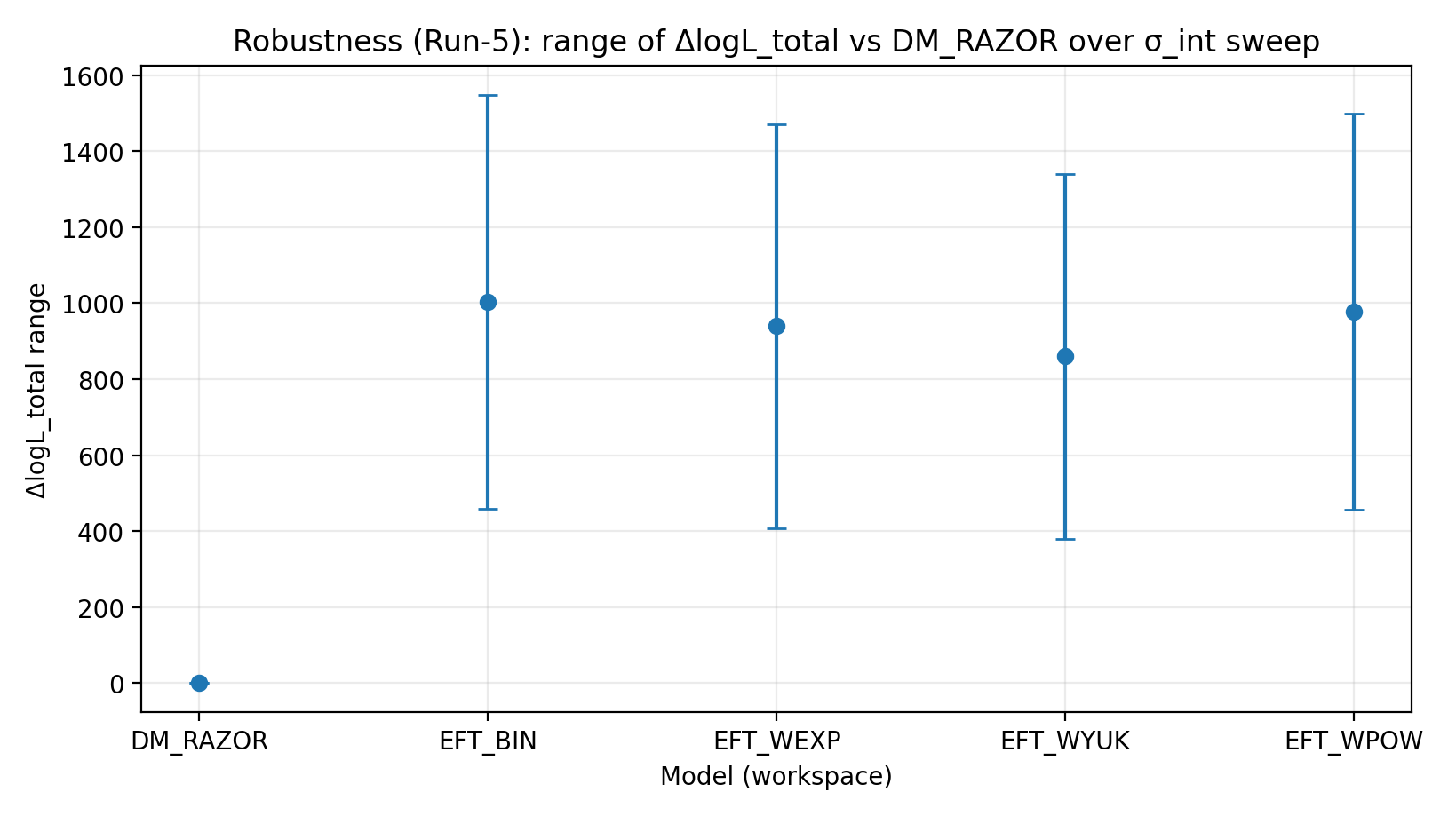
Fig. R2 | σ_int scan-এর অধীনে ΔlogL_total range (যত বেশি, তত ভালো)।
6.2 R_min Scan (Run-6)
central-region data-র systematics-এর প্রভাব পরীক্ষা করতে (যেমন noncircular motion, resolution, এবং insufficient baryonic modeling), আমরা RC-তে R_min threshold cut প্রয়োগ করি এবং joint inference পুনরাবৃত্তি করি। R_min scan-এর অধীনে EFT family-এর advantage ধনাত্মক এবং scale-এ স্থিতিশীল থাকে।
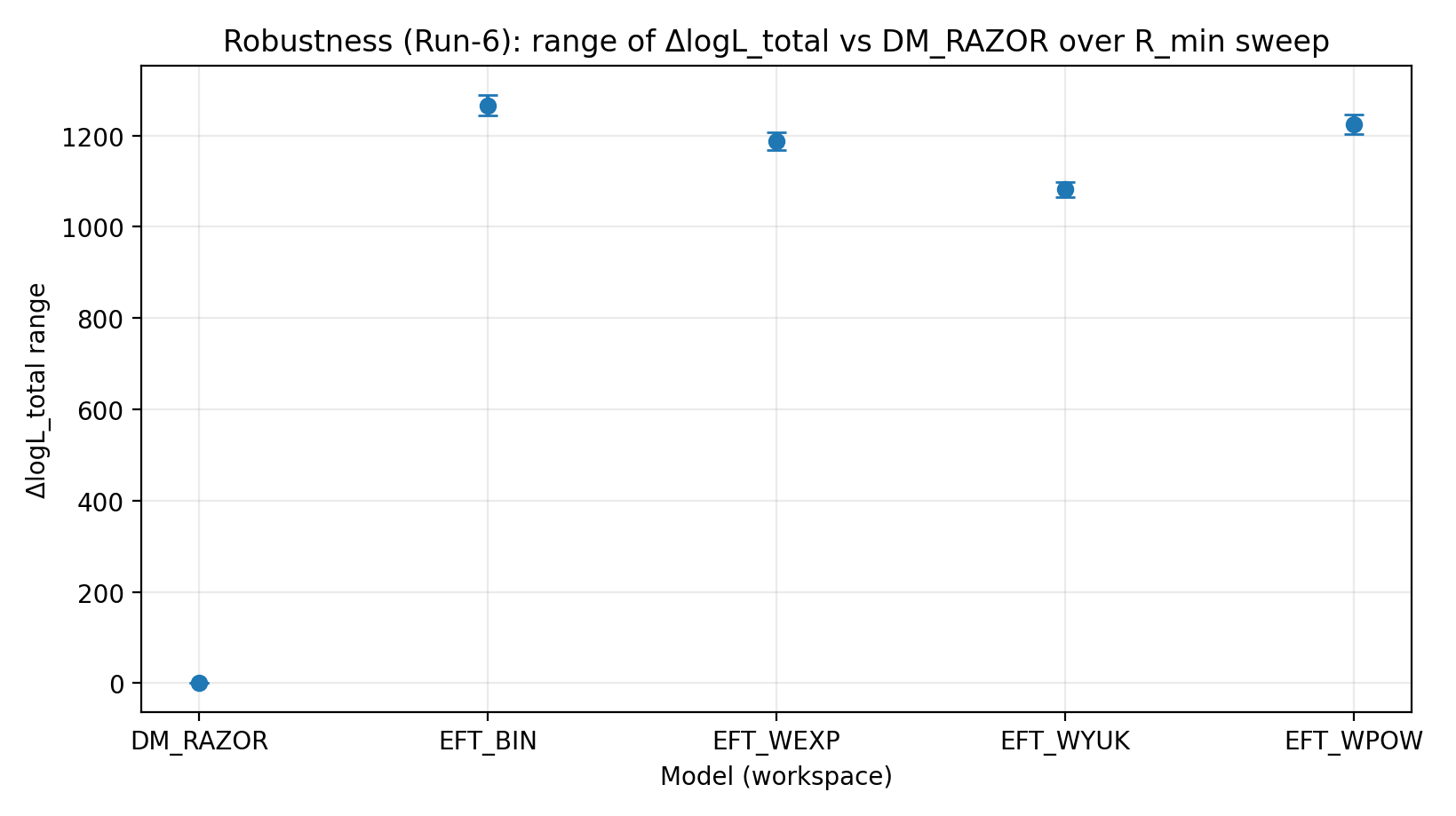
Fig. R3 | R_min scan-এর অধীনে ΔlogL_total range (যত বেশি, তত ভালো)।
6.3 cov-shrink Scan (Run-7)
GGL covariance-এর অনিশ্চয়তা পরীক্ষা করতে, আমরা প্রতিটি mass bin-এর covariance matrix-এ shrinkage প্রয়োগ করি: C_α=(1−α)C+α·diag(C), এবং α scan করি। ফলাফল দেখায় EFT family-এর advantage এই treatment-এর প্রতি insensitive।
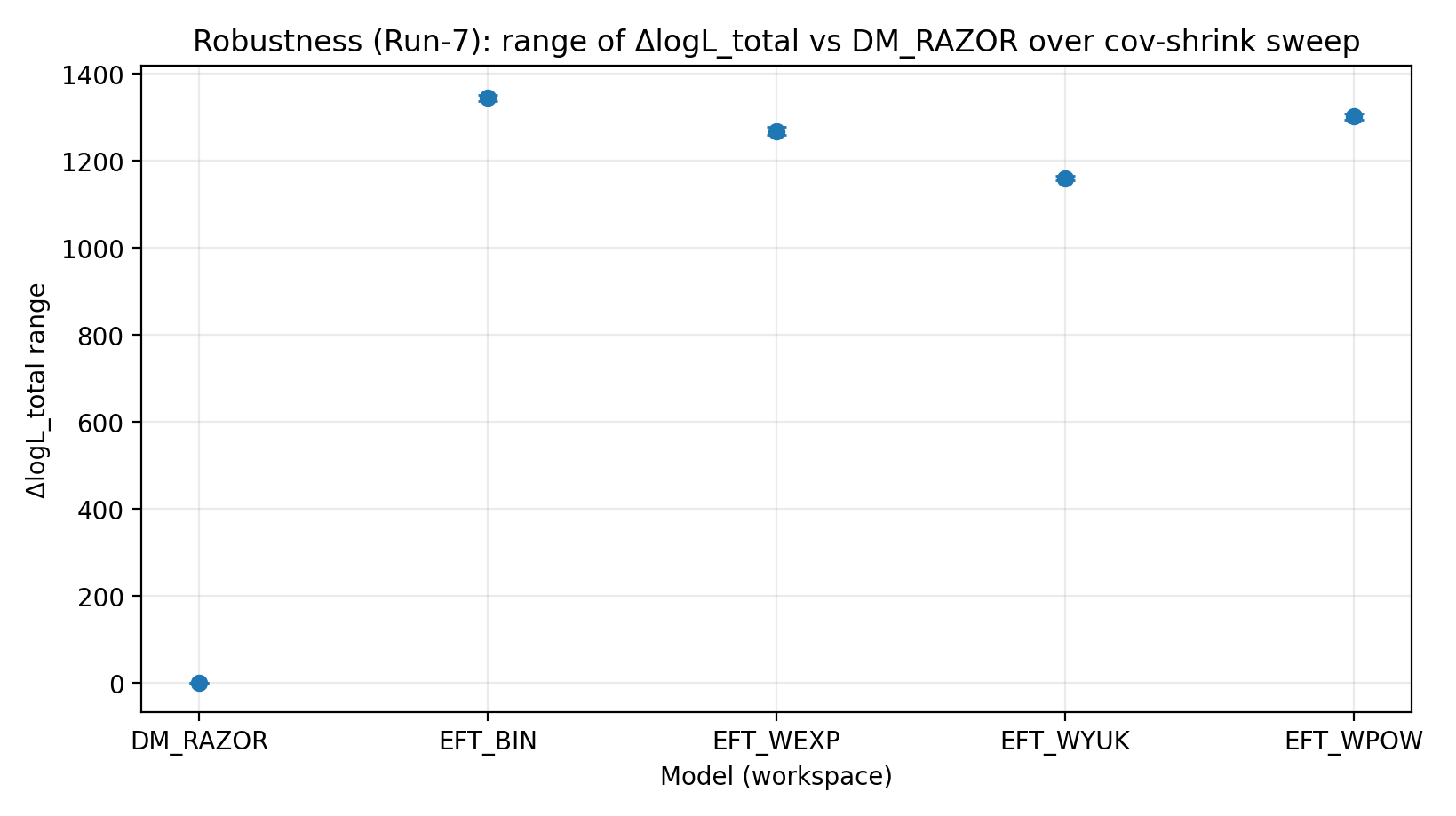
Fig. R4 | cov-shrink scan-এর অধীনে ΔlogL_total range (যত বেশি, তত ভালো)।
6.4 Ablation Ladder (Run-8)
EFT_BIN-এর মধ্যে আমরা nested ablation করি: minimal model (free parameter নেই) থেকে শুরু করে অল্পসংখ্যক degree of freedom ধরে রাখা সংস্করণ, এবং শেষে complete 20-bin amplitude + global scale model পর্যন্ত। AICc/BIC দেখায় complete EFT_BIN model data দ্বারা strongly required।
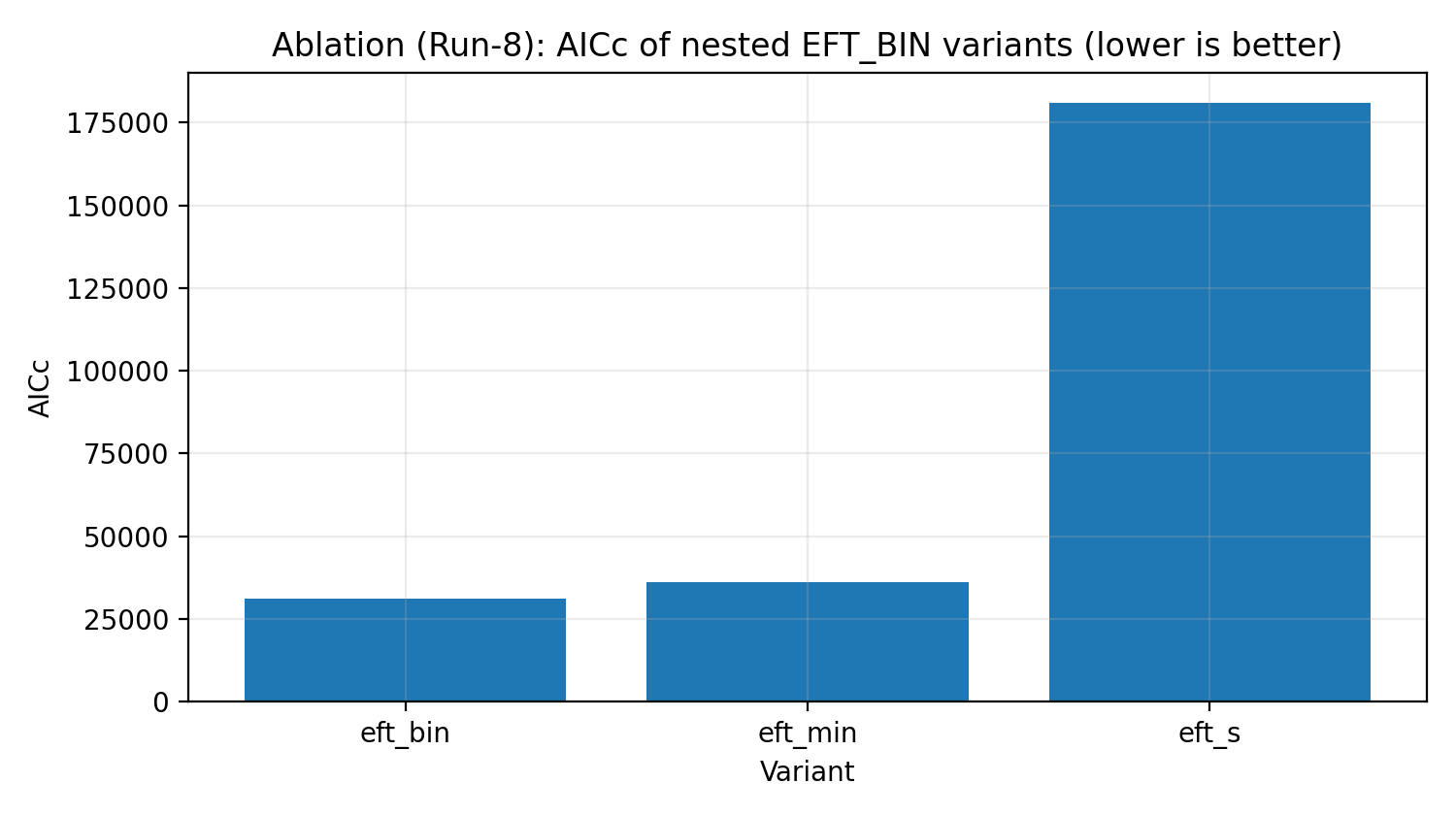
Fig. R5 | EFT_BIN ablation ladder (AICc; যত কম, তত ভালো)।
6.5 Holdout Prediction (Run-9)
আমরা আরও একটি leave-one-bin-out (LOO) test চালাই: 4টি GGL mass bin-এর মধ্যে প্রতিবার একটি bin hold out রাখা হয়; বাকি bin (এবং সব RC) ব্যবহার করে inference পুনরায় করা হয়, তারপর hold-out bin-এ test log-likelihood evaluate করা হয়। summary metric supplementary table Tab_R3_leave_one_bin_out-এ দেওয়া হয়েছে (Run-9 product; file path pattern Section 8.2-এর key-product list-এ আছে)। সবচেয়ে খারাপ held-out case-এও EFT family DM_RAZOR-এর চেয়ে স্পষ্টভাবে superior থাকে।
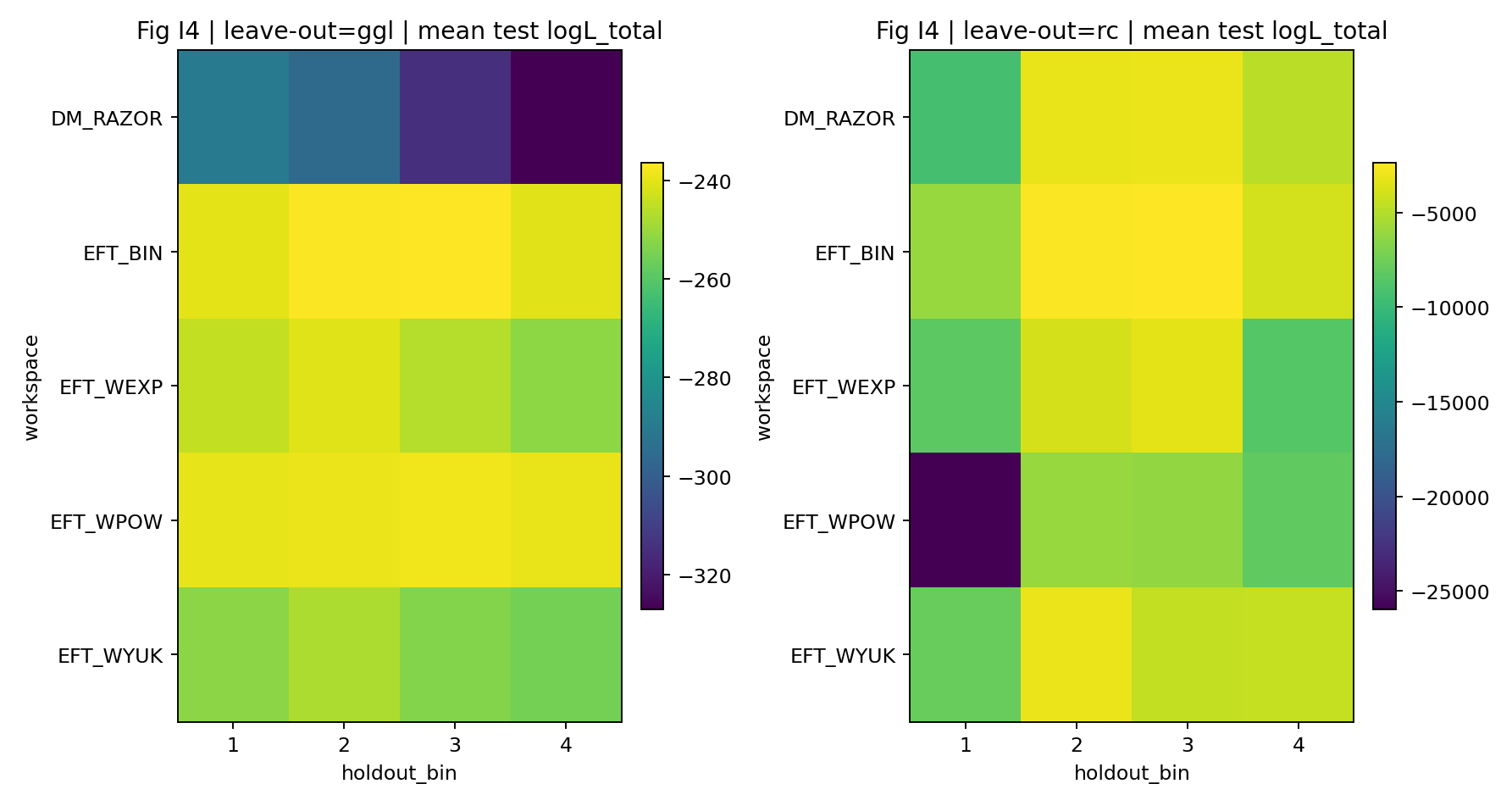
Fig. R6 | LOO: held-out bin-এর log-likelihood distribution (Run-9 products থেকে)।
6.6 Negative Control: RC-bin Shuffle (Run-10)
Run-10 RC-only posterior অপরিবর্তিত রেখে 20টি RC bin-কে randomভাবে 4×5-এ regroup করে এবং closure recompute করে। ফলাফল দেখায়, original mapping-এর তুলনায় shuffling closure mean logL_true এবং ΔlogL_closure উভয়কেই উল্লেখযোগ্যভাবে কমায় (Table S1b ও Fig. R1 দেখুন), যা closure signal-এর interpretability আরও সমর্থন করে।
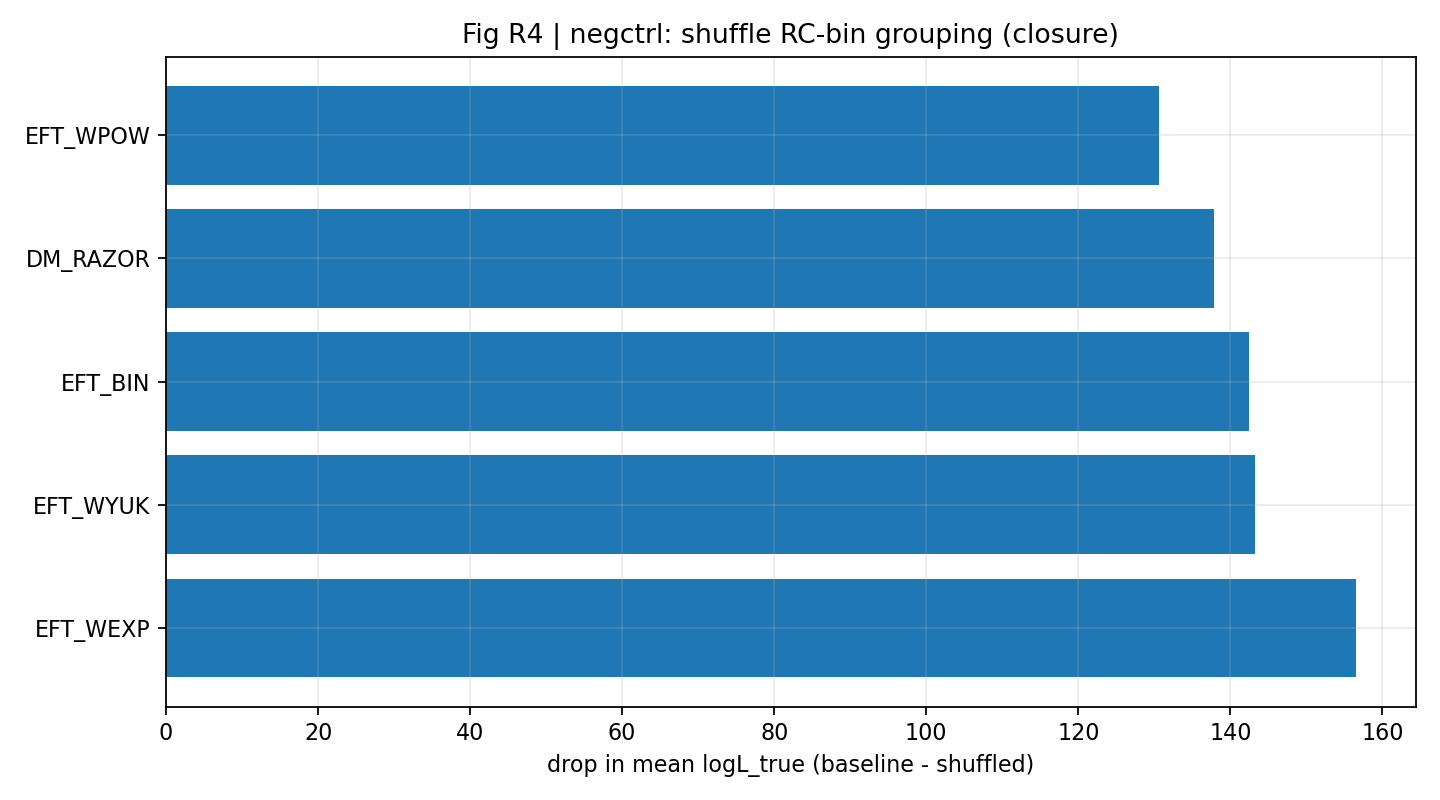
Fig. R7 | Negative control: shuffle mapping closure mean logL_true-তে স্পষ্ট পতন ঘটায় (Run-10 products থেকে)।
7 Traceability ও Consistency Audit (Provenance)
এই প্রবন্ধে উদ্ধৃত সব numerical value release archive-এর strict summary table ও audit record-এ item by item trace করা যায়। মূল পাঠ্য আরও পাঠযোগ্য রাখতে, full provenance chain (tag list, audit table, checksum list, এবং verification method) Appendix A-তে সরানো হয়েছে।
8 Reproducibility ও Zenodo Archive
Data and code availability statement: এই প্রবন্ধে ব্যবহৃত SPARC rotation-curve data এবং KiDS-1000 weak-lensing data public dataset। publication-grade report Zenodo-তে archive করা হয়েছে (Concept DOI: https://doi.org/10.5281/zenodo.18526334), এবং full reproduction package Zenodo-তে archive করা হয়েছে (Concept DOI: https://doi.org/10.5281/zenodo.18526286)। বিস্তারিত execution step, dependency environment, archive inventory, এবং hash-verification information Appendix A-তে দেওয়া হয়েছে; DM-baseline standardization stress test (P1A)-এর design, run tag, এবং output Appendix B-তে দেওয়া হয়েছে।
একই full-reproduction-package Concept DOI (https://doi.org/10.5281/zenodo.18526286)-এর অধীনে আমরা use case অনুযায়ী দুটি reproducible entry point দিই: • P1 (main text) full_fit_runpack: EFT বনাম DM_RAZOR-এর RC-only / closure / joint analysis এবং robustness scan reproduce করে, এবং Tables S1a/S1b ও Figs. S3/S4 সহ main-text asset generate করে; • P1A (Appendix B) full_fit_runpack: DM-baseline standardization stress test (SCAT/AC/FB + hierarchical c–M scatter prior + core1p + lensing m + DM_STD, EFT_BIN control-সহ) reproduce করে, এবং Appendix Table B1 ও Fig. B1 generate করে। single archive entry point বজায় রাখতে P1A-এর supplementary tables/figures এবং full_fit_runpack একই Concept DOI-র অধীনে additional file হিসেবে অন্তর্ভুক্ত হবে।
9 কৃতজ্ঞতা ও ঘোষণা
9.1 কৃতজ্ঞতা
public data ও documentation সরবরাহের জন্য আমরা SPARC ও KiDS-1000 team-কে, এবং এই project-এর reconstruction ও audit workflow-এ অংশগ্রহণকারীদের ধন্যবাদ জানাই।
9.2 লেখকের অবদান
Guanglin Tu conceptual proposal, study design, engineering implementation, data curation, formal analysis, reproducibility workflow implementation ও audit, এবং manuscript writing-এর জন্য দায়ী ছিলেন।
9.3 অর্থায়ন
লেখক Guanglin Tu নিজ অর্থায়নে কাজটি করেছেন (কোনো external funding / কোনো grant number নেই)।
9.4 স্বার্থের সংঘাত
লেখক Guanglin Tu “EFT Working Group, Shenzhen Energy Filament Science Research Co., Ltd. (China)”-এর সঙ্গে যুক্ত; অন্য কোনো competing interest ঘোষণা করা হয়নি।
9.5 AI সহায়তা
OpenAI GPT-5.2 Pro এবং Gemini 3 Pro language polishing, structural editing এবং reproducibility workflow সংগঠনে ব্যবহৃত হয়েছে। data, result, figure, table, code তৈরি বা পরিবর্তন করা, কিংবা citation তৈরিতে এগুলো ব্যবহার করা হয়নি। সমগ্র manuscript-এর content ও citation accuracy-র পূর্ণ দায় লেখকের।
10 সূত্র
- Lelli, F., McGaugh, S. S., & Schombert, J. M. (2016). SPARC: Mass Models for 175 Disk Galaxies with Spitzer Photometry and Accurate Rotation Curves. The Astronomical Journal, 152, 157. DOI: 10.3847/0004-6256/152/6/157.
- Brouwer, M. M., Oman, K. A., Valentijn, E. A., et al. (2021). The weak lensing radial acceleration relation: Constraining modified gravity and cold dark matter theories with KiDS-1000. Astronomy & Astrophysics, 650, A113. DOI: 10.1051/0004-6361/202040108.
- Wright, C. O., & Brainerd, T. G. (2000). Gravitational Lensing by Navarro–Frenk–White Halos. The Astrophysical Journal, 534, 34–40.
- Navarro, J. F., Frenk, C. S., & White, S. D. M. (1997). A Universal Density Profile from Hierarchical Clustering. Astrophysical Journal, 490, 493. DOI: https://doi.org/10.1086/304888
- Dutton, A. A., & Macciò, A. V. (2014). Cold dark matter haloes in the Planck era: evolution of structural parameters for NFW haloes. Monthly Notices of the Royal Astronomical Society, 441, 3359–3374. DOI: https://doi.org/10.1093/mnras/stu742
- Blumenthal, G. R., Faber, S. M., Flores, R., & Primack, J. R. (1986). Contraction of dark matter galactic halos due to baryonic infall. Astrophysical Journal, 301, 27. DOI: https://doi.org/10.1086/163867
- Di Cintio, A., Brook, C. B., Dutton, A. A., et al. (2014). A mass-dependent density profile for dark matter haloes including the influence of galaxy formation. Monthly Notices of the Royal Astronomical Society, 441, 2986–2995. DOI: https://doi.org/10.1093/mnras/stu729
- Read, J. I., Agertz, O., & Collins, M. L. M. (2016). Dark matter cores all the way down. Monthly Notices of the Royal Astronomical Society, 459, 2573–2590. DOI: https://doi.org/10.1093/mnras/stw713
- Energy Filament Theory. Zenodo (open science repository) DOI: https://doi.org/10.5281/zenodo.18517411
Appendix A: Traceability ও Reproducibility Details
এই appendix traceability ও reproducibility-র জন্য long-term archive information সংক্ষেপে দেয়, যার মধ্যে run tag, audit result, archive inventory এবং key verification point আছে, যাতে পাঠক প্রয়োজনমতো কাজটি পরীক্ষা ও reproduce করতে পারেন।
A.1 Traceability ও Audit Details
long-term traceability নিশ্চিত করতে, এই project প্রতিটি run ও output-এর জন্য timestamped tag ব্যবহার করে এবং historical product overwrite না করে সংরক্ষণ করে। এই manuscript-এ উদ্ধৃত core value strict compilation (compile_tag=20260205_035929) থেকে এসেছে এবং নিচের consistency audit উত্তীর্ণ হয়েছে:
• সব stage-level table run_tag ও stage tag বহন করে; strict compilation script report/tables থেকে “complete and consistent” canonical table source নির্বাচন করে।
• Tab_Z1_master_summary এবং Tab_Z2_conclusion_highlights-এর মান selected canonical table-এর সঙ্গে item by item তুলনা করা হয়।
• PDF generation-এর সময় “referenced table/figure tags” নিয়ে tag audit করা হয়, যাতে outdated product মিশে না যায়।
মূল tag (সব intermediate product locate করার জন্য): run_tag=20260204_122515; closure_tag=20260204_124721; joint_tag=20260204_152714; sigma_sweep_tag=20260204_161852; rmin_sweep_tag=20260204_195247; covshrink_tag=20260204_203219; ablation_tag=20260204_214642; LOO_tag=20260204_224827; negctrl_tag=20260204_234528; strict_compile_tag=20260205_035929; release_tag=20260205_112442।
Consistency-audit result: Tab_AUDIT_checks_strict pass=9, fail=0, skip=0 রিপোর্ট করে (detail release package-এ দেখুন)।
A.2 Reproducibility Execution Steps এবং Archive Inventory
এই study “publication-grade report + tables/figures supplement + fully rerunnable run package” নিয়ে একটি reproducibility system গ্রহণ করেছে। পাঠক paper-এ উদ্ধৃত সব table/figure asset যাচাই করতে সরাসরি Tables & Figures Supplement দেখতে পারেন; numerical value ও audit chain একেবারে শুরু থেকে reproduce করতে full_fit_runpack দিয়ে data download করে complete workflow rerun করতে পারেন। শেষ হলে package-এর built-in reference-table comparison script table-value consistency যাচাই করতে ব্যবহার করা যায়।
A.2.1 Reproduction Quickstart (RUN_FULL, Windows PowerShell)
এই section একটি সংক্ষিপ্ত reproduction path দেয় (Windows PowerShell)। দ্রুত পরীক্ষা করতে পাঠকদের Tables & Figures Supplement সরাসরি দেখে cited table ও figure item by item যাচাই করার পরামর্শ দেওয়া হয়। end-to-end reproduction এবং সব table, figure, audit product generation-এর জন্য full_fit_runpack ব্যবহার করুন: package README/ONE_PAGE_REPRO_CHECKLIST অনুসরণ করে verify_checksums.ps1 এবং RUN_FULL.ps1 চালান (Mode=full recommended)।
Zenodo archive entry (Concept DOI): https://doi.org/10.5281/zenodo.18526286।
এই paper-এর main-chain tags: run_tag=20260204_122515; strict compile_tag=20260205_035929; release_tag=20260205_112442।
A.2.2 Archive Materials এবং Key Verification Points (Packages & checks)
Zenodo archive তিনটি complementary category-র material দেয়: (1) publication-grade report (এই paper, v1.1; Appendix B: P1A DM-baseline standardization stress test-সহ); (2) Tables & Figures Supplement (এই paper-এ উদ্ধৃত সব table/figure asset কভার করা supplementary table ও figure, P1 এবং P1A-এর জন্য আলাদা); এবং (3) full_fit_runpack (full reproduction package: শুরু থেকে data download করে complete workflow rerun করে, P1 ও P1A-এর জন্য আলাদা)। item (1)–(2) quick reading ও independent verification সমর্থন করে; item (3) end-to-end full reproducibility দেয়।
উপকরণ বিভাগ | ফাইলের নাম (উদাহরণ) | উদ্দেশ্য ও অবস্থান (প্রস্তাবিত ব্যবহারের ক্রম) |
প্রকাশনা-মানের প্রতিবেদন (চীনা ও ইংরেজি) | P1_RC_GGL_report_EN_PUBLICATION_V1_1.pdf | Zenodo-তে archived complete report; main text core conclusion ও robustness audit দেয়, এবং Appendix B P1A (DM-baseline standardization stress test) দেয়। |
Tables & Figures Supplement (P1) | P1_RC_GGL_supplement_figs_tables_V1_1.zip | main text-এ cited সব table (CSV) এবং figure (PNG), generation script ও tag file-সহ। |
Tables & Figures Supplement (P1A) | P1A_supplement_figs_tables_v1.zip | Appendix B (P1A)-তে cited সব table ও figure, Tab_S1_P1A_scoreboard এবং Fig_S1_P1A_scoreboard-সহ। |
full_fit_runpack (P1) | P1_RC_GGL_full_fit_runpack_v1_1.zip | End-to-end full reproduction: শুরু থেকে data download করে RC-only/closure/joint এবং robustness scan rerun করে। |
full_fit_runpack (P1A) | P1A_RC_GGL_full_fit_runpack_v1.zip | End-to-end full reproduction (Appendix B): DM 7+1 + DM_STD (EFT_BIN control-সহ) rerun করে এবং appendix asset generate করে; package-এ table-value consistency verify করার reference-table comparison script আছে। |
Citation recommendation: এই paper বা accompanying reproducibility material cite করার সময় অনুগ্রহ করে Zenodo Concept DOI (https://doi.org/10.5281/zenodo.18526334) cite করুন।
Reproduction-এর পরে যেসব key product দেখা উচিত এবং তুলনাযোগ্য হওয়া উচিত:
- report/tables/Tab_D_closure_summary__20260204_122515__*.csv (closure summary)
- report/tables/Tab_F_joint_summary__20260204_122515__*.csv (joint-fit summary)
- report/tables/Tab_G_joint_sigma_sweep__20260204_122515__*.csv (σ_int scan)
- report/tables/Tab_H_joint_rmin_sweep__20260204_122515__*.csv (R_min scan)
- report/tables/Tab_I_joint_covshrink_sweep__20260204_122515__*.csv (cov-shrink scan)
- report/tables/Tab_R2_ablation_ladder__20260204_122515__*.csv (ablation)
- report/tables/Tab_R3_leave_one_bin_out__20260204_122515__*.csv (LOO)
- report/tables/Tab_R4_negctrl_rcbin_shuffle__20260204_122515__*.csv (negative control)
- report/final/Tab_Z1_master_summary__20260204_122515__20260205_035929.csv (Strict master table; Tables S1a/S1b ও main-text values-এর সঙ্গে correspond করে)
- report/final/P1_RC_GGL_final_bundle__20260204_122515__20260205_035929.pdf (publication-grade PDF bundle; quick browsing ও citation-এর জন্য ব্যবহারযোগ্য)
Appendix B: P1A—DM-Baseline Standardization Stress Test (DM 7+1 + DM_STD; EFT Control সহ)
এই appendix মূল পাঠ্যের closure protocol-এর সঙ্গে consistent “DM-baseline standardization stress testing”-এর একটি extension project (P1A) document করে। এর ভূমিকা হলো মূল পাঠ্যে ব্যবহৃত minimal DM_RAZOR baseline (NFW + fixed c–M, no scatter / no contraction / no core)-কে astrophysical practice-এর কাছাকাছি এবং common critique-এর বিরুদ্ধে বেশি resistant একটি DM baseline set-এ upgrade করা, অনেক degree of freedom না বাড়িয়ে এবং RC-bin→GGL-bin shared mapping বা audit framework না বদলে। P1A আগের three-branch stress test ধরে রাখে এবং তার superset: SCAT/AC/FB বজায় রেখে hierarchical c–M scatter + prior, one-parameter core proxy, এবং lensing-side shear-calibration nuisance m যোগ করে; combined model DM_STD-ও দেয়। EFT_BIN control reference হিসেবে রাখা হয়েছে।
সম্পূরক নোট: Appendix B (P1A)-এর closure strength ও সংশ্লিষ্ট মান main text-এ full EFT kernel family cover করার quick budget-এর (যেমন ndraw=60, nperm=12) তুলনায় বড় Monte Carlo budget (যেমন ndraw=400, nperm=24) ব্যবহার করে। তাই absolute value-তে O(10)-level sampling drift দেখা যেতে পারে। তবে একই budget/table-এর মধ্যে model-to-model comparison fair, এবং advantage-এর sign ও scale budget জুড়ে stable থাকে।
B.1 Purpose and Positioning (কেন P1A, এবং কেন Appendix হিসেবে)
P1A সব সম্ভাব্য ΛCDM halo modeling choice (যেমন nonsphericity, environmental dependence, complex galaxy–halo connection, অথবা high-dimensional baryon physics) শেষ করে ফেলতে চায় না। বরং P1A “low-dimensional, auditable, reproducible” নীতি অনুসরণ করে: প্রতিটি enhancement module কেবল ≤1 key effective parameter আনে এবং এই paper-এর তিনটি hard constraint-এর অধীনে থাকে:
(i) Parameter ledger: প্রতিটি নতুন parameter স্পষ্টভাবে record করতে হবে এবং information criteria (AICc/BIC)-সহ report করতে হবে;
(ii) Shared mapping: একই RC-bin→GGL-bin grouping map ব্যবহার করা হবে; একক dataset-এর জন্য আলাদা করে “mapping tune” করা যাবে না;
(iii) Closure test: যেকোনো enhancement-কে শুধু better RC-only fitting নয়, RC→GGL transfer prediction-এ genuine gain দেখাতে হবে।
B.2 DM 7+1 + DM_STD: Module Definitions, Parameters, এবং Joint Posterior-এ প্রবেশ
independent runpack হিসেবে P1A 8টি DM workspace (DM 7+1) plus 1 EFT control দেয়: DM_RAZOR-কে baseline ধরে, এটি তিনটি legacy one-parameter enhancement (DM_RAZOR_SCAT / DM_RAZOR_AC / DM_RAZOR_FB) তৈরি করে, আরও তিনটি standard defensive module (DM_HIER_CMSCAT / DM_CORE1P / DM_RAZOR_M) যোগ করে, এবং তারপর combined model DM_STD দেয়। এই moduleগুলোর shared goal হলো dimensionality যত কম সম্ভব বাড়িয়ে তিনটি সবচেয়ে সাধারণ critique cover করা: (a) c–M scatter ও prior কীভাবে hierarchical model-এ ঢোকে; (b) baryonic feedback-এর main effect one-parameter core proxy দিয়ে ধরা যায় কিনা; এবং (c) key lensing-side systematics ভুল করে physical signal হিসেবে ধরা পড়তে পারে কিনা।
Workspace | dm_model | নতুন parameter(s) (≤1) | ভৌত প্রেরণা (core) | Implementation principle (audit-friendly) |
|---|---|---|---|---|
DM_RAZOR | NFW (fixed c–M, no scatter) | — | Minimal, auditable ΛCDM halo baseline; EFT-এর সঙ্গে strict comparison-এর জন্য ব্যবহৃত | Shared mapping fixed; strict parameter ledger; শুধু relative comparison-এর baseline হিসেবে ব্যবহৃত |
DM_RAZOR_SCAT | NFW + c–M scatter (legacy) | σ_logc | c–M relation-এ scatter আছে; one-parameter log-normal scatter দিয়ে approximate করা হয়েছে | ≤1 new parameter; shared mapping retained; closure gain acceptance criterion হিসেবে ব্যবহৃত |
DM_RAZOR_AC | NFW + Adiabatic Contraction (legacy) | α_AC | Baryonic infall halo adiabatic contraction ঘটাতে পারে; one-parameter strength দিয়ে approximate | ≤1 new parameter; mapping unchanged; AICc/BIC change ও closure gain report |
DM_RAZOR_FB | NFW + feedback core (legacy) | log r_core | Feedback inner region-এ core তৈরি করতে পারে; one-parameter core scale দিয়ে approximate | ≤1 new parameter; একই closure/negative-control protocol; RC-only improvement একমাত্র target নয় |
DM_HIER_CMSCAT | Hierarchical c–M scatter + prior | σ_logc (hier) | More standard hierarchical c_i∼logN(c(M_i),σ_logc); RC ও GGL উভয়ের joint posterior-এ প্রভাব ফেলে | Explicit prior; latent c_i marginalized; এখনও low-dimensional ও auditable |
DM_CORE1P | 1-parameter core proxy (coreNFW/DC14-inspired) | log r_core | Baryonic feedback-এর main effect ধরতে one-parameter core proxy ব্যবহার করে, high-dimensional star-formation detail এড়িয়ে | standard literature cite করে; ≤1 new parameter; closure test-এর সঙ্গে tied |
DM_RAZOR_M | NFW + lensing shear-calibration nuisance | m_shear (GGL) | key weak-lensing systematic-কে effective parameter হিসেবে absorb করে, systematics-কে physics ভেবে নেওয়ার ঝুঁকি কমায় | Nuisance explicitly recorded; RC backward affect করতে পারে না; result মূলত closure robustness দিয়ে judge |
DM_STD | Standardized DM baseline (HIER_CMSCAT + CORE1P + m) | σ_logc + log r_core (+ m_shear) | তিনটি common critique class অন্তর্ভুক্ত করে, এখনও low-dimensional standard baseline হিসেবে | Parameter ledger + information criteria reported; closure primary metric; strongest DM defensive control হিসেবে ব্যবহৃত |
নোট: উপরের parameter nameগুলো engineering implementation অনুসরণ করে (যেমন σ_logc, α_AC, log r_core, এবং m_shear)। P1A-এর design focus হলো “DM baseline কিছুটা শক্তিশালী করা, কিন্তু auditable রাখা,” DM পক্ষকে uncontrollable high-dimensional fitter বানানো নয়। বিশেষ করে, DM_HIER_CMSCAT c–M scatter hierarchically introduce করে: প্রতিটি halo-এর concentration c_i-কে c(M_i)-এর চারপাশে log-normal scatter দেওয়া হয়, global σ_logc এবং c(M) prior দ্বারা constrained; এই hierarchical structure RC ও GGL উভয়ের joint posterior-এ প্রভাব ফেলে।
B.3 Main Text-এর সঙ্গে consistent Statistical Protocol এবং Product Conventions
P1A মূল পাঠ্যের সব data product, shared mapping এবং audit framework reuse করে। execution order ও product convention consistent থাকে:
(1) Run‑1: RC-only inference (posterior_samples.npz এবং metrics.json output করে);
(2) Run‑2: RC→GGL closure test (closure_summary.json এবং permuted baseline output করে);
(3) Run‑3: RC+GGL joint fit (joint_summary.json output করে)।
সব quoted number automatically compiled table (Tab_S1_P1A_scoreboard) থেকে আসে এবং P1A full_fit_runpack-এর built-in reference-table comparison script দিয়ে full P1A workflow rerun করার পরে যাচাই করা যায়।
B.4 Main Results, Table/Figure Entry Points, এবং Archive Plan (Same DOI)
এই section P1A-এর core quantitative conclusion দেয়। Table B1 RC-only, RC→GGL closure এবং RC+GGL joint fitting-এর key metrics সারসংক্ষেপ করে (parentheses DM_RAZOR baseline-এর relative difference দেয়)। closure strength সংজ্ঞা: ΔlogL_closure ≡ ⟨logL_true⟩ − ⟨logL_perm⟩ (যত বেশি, তত ভালো)। Fig. B1 একই scoreboard visualize করে। মূল pointগুলো হলো:
• তিনটি legacy branch-এর মধ্যে শুধু DM_RAZOR_FB (feedback/core) closure strength-এ ছোট net improvement দেয়: 122.21→129.45 (+7.25); SCAT ও AC net improvement দেয় না;
• নতুন যোগ করা DM_HIER_CMSCAT এবং DM_RAZOR_M closure strength-এ খুব ছোট effect (~0) রাখে, এবং DM_CORE1P-ও significant net improvement দেখায় না;
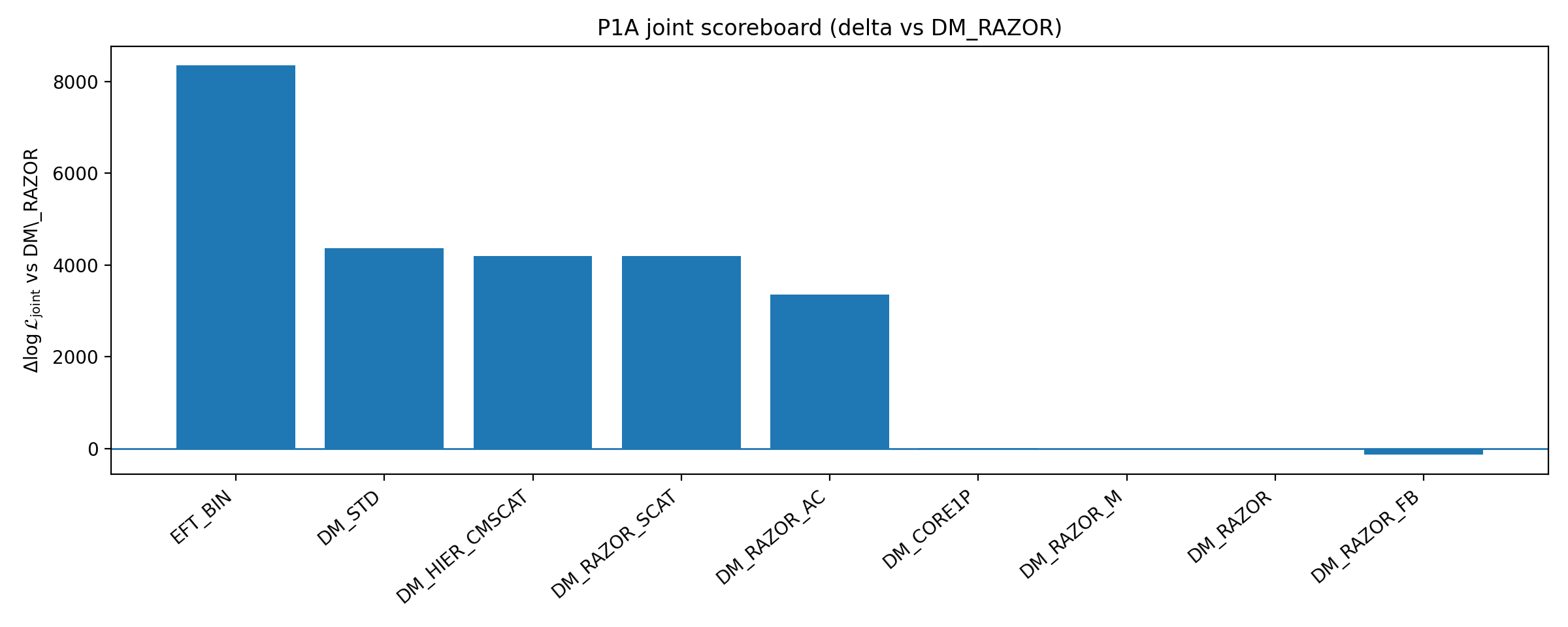
• combined model DM_STD joint logL যথেষ্ট improve করতে পারে (joint-fit optimum-এর কাছাকাছি), কিন্তু closure strength কমে যায়; এতে বোঝায় gain মূলত joint-fit flexibility থেকে আসে, cross-probe transferability থেকে নয়;
• control হিসেবে, EFT_BIN closure strength ও joint fitting উভয় ক্ষেত্রেই clear advantage ধরে রাখে। তাই “stronger DM baseline + lensing nuisance” যুক্ত করলেও main conclusion robust থাকে।
main-text result-এর সঙ্গে direct comparison-এর জন্য, Tables S1a–S1b EFT family এবং DM_RAZOR-এর মধ্যে strict comparison সারসংক্ষেপ করে: EFT model DM_RAZOR-এর তুলনায় joint fit-এ ΔlogL_total≈1155–1337 উন্নতি করে এবং closure test-এ ΔlogL_closure=172–281 পায়। P1A শুধু DM পক্ষের জন্য একটি “harder control” তৈরি করে; এর উদ্দেশ্য “strawman baseline” বা “systematics-as-physics” ধরনের উদ্বেগ কমানো, main comparison প্রতিস্থাপন করা নয়।
Table B1 | P1A scoreboard (যত বেশি, তত ভালো; parentheses DM_RAZOR baseline-এর relative difference নির্দেশ করে)।
Model branch (workspace) | Δk | RC-only best logL_RC (Δ) | Closure strength ΔlogL_closure (Δ) | Joint best logL_total (Δ) |
DM_RAZOR | 0 | -15702.654 (+0.000) | 122.205 (+0.000) | -27347.068 (+0.000) |
DM_RAZOR_SCAT | 1 | -15702.294 (+0.361) | 121.236 (-0.969) | -23153.311 (+4193.758) |
DM_RAZOR_AC | 1 | -15703.689 (-1.035) | 121.531 (-0.674) | -23982.557 (+3364.511) |
DM_RAZOR_FB | 1 | -15496.046 (+206.609) | 129.454 (+7.249) | -27478.531 (-131.463) |
DM_HIER_CMSCAT | 1 | -15702.644 (+0.010) | 121.978 (-0.227) | -23153.160 (+4193.908) |
DM_CORE1P | 1 | -15723.158 (-20.504) | 122.056 (-0.149) | -27336.258 (+10.810) |
DM_RAZOR_M | 0 (+m) | -15702.654 (+0.000) | 122.205 (+0.000) | -27340.451 (+6.617) |
DM_STD | 2 (+m) | -15832.203 (-129.549) | 105.690 (-16.515) | -22984.445 (+4362.623) |
EFT_BIN | 1 | -14631.537 (+1071.117) | 204.620 (+82.415) | -19001.142 (+8345.926) |
Fig. B1 | P1A scoreboard: baseline-এর তুলনায় closure এবং joint ΔlogL (যত বেশি, তত ভালো)।
এই appendix-সংশ্লিষ্ট completed run set-এর example tag নিচে দেওয়া হলো (P1A intermediate product এবং tables/figures locate করার জন্য ব্যবহৃত):
P1A run_tag = 20260213_151233; P1A closure_tag = 20260213_161731; P1A joint_tag = 20260213_195428।
B.5 Suggested Citation (Appendix Citation Note)
পাঠকদের যখন paper-এর main conclusion-এর পাশাপাশি “DM-baseline standardization stress test” cite করতে হবে, তখন main conclusion-এর সঙ্গে নিচের note cite করার পরামর্শ দেওয়া হয়: “See Appendix B (P1A) for standardized DM-baseline stress tests (legacy SCAT/AC/FB + hierarchical c–M scatter prior + core proxy + lensing shear-calibration nuisance), under the same closure protocol.”